Introduction to Winter First Aid
As the cold winds of winter sweep through Nappanee, Indiana, it's crucial to be prepared for the unique first aid challenges that the season brings. Whether you're a homeowner, a business owner, or simply someone who loves the outdoors, understanding how to address winter-specific injuries can make a significant difference. This guide will help you navigate the chilly season safely with essential first aid knowledge.
Understanding Winter-Specific Risks
Winter in Indiana can be beautiful, but it also introduces several risks that require special attention. Common winter-related injuries include frostbite, hypothermia, slips and falls on ice, and overexertion from shoveling snow. By being aware of these risks, you can take proactive steps to prevent them.
Frostbite and Hypothermia
Frostbite occurs when skin and other tissues freeze, while hypothermia is a potentially dangerous drop in body temperature. Both conditions are serious and can occur quickly in extreme cold. Knowing the symptoms and first aid responses is crucial.
- Frostbite Symptoms: Numbness, white or grayish-yellow skin, hard or waxy-looking skin.
- Hypothermia Symptoms: Shivering, slurred speech, slow breathing, fatigue, and confusion.
For frostbite, the affected area should be warmed gradually by soaking in warm water. Avoid rubbing the skin, as this can cause damage. For hypothermia, warm the person gradually and seek medical attention immediately.
Slips, Trips, and Falls
Ice and snow increase the likelihood of slips and falls, which can result in sprains, fractures, and head injuries. Knowing how to respond can mitigate these risks.
- First Aid for Sprains: Use the R.I.C.E. method - Rest, Ice, Compression, and Elevation.
- First Aid for Fractures: Immobilize the area, apply a cold pack, and seek medical help.
Overexertion Injuries
Shoveling snow and other winter tasks can lead to overexertion, causing back injuries and heart issues.
Prevention Tips: Warm up before starting, use proper lifting techniques, and take frequent breaks. If you experience chest pain or severe discomfort, seek medical attention immediately.
Preparing Your First Aid Kit for Winter
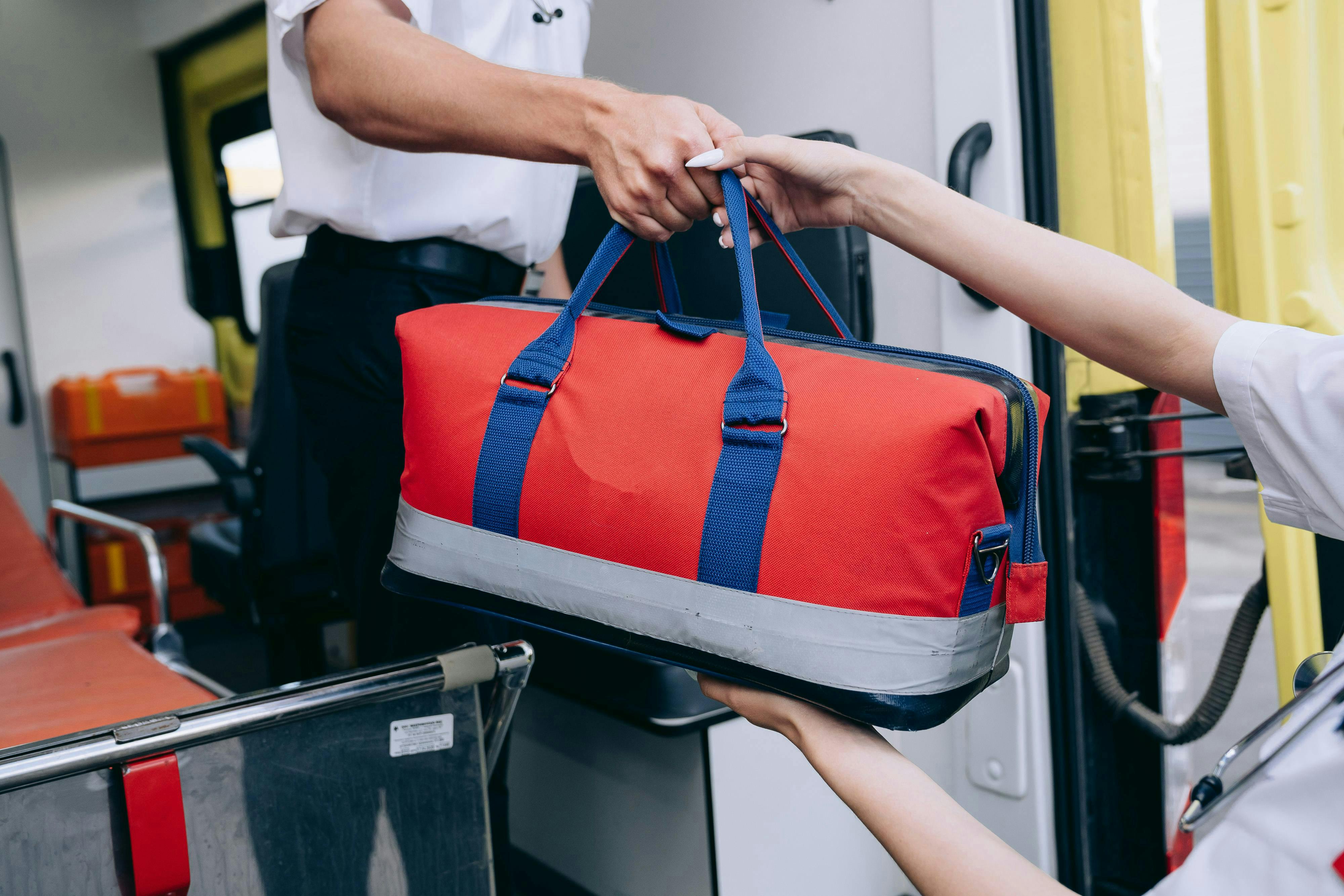
A well-equipped first aid kit is essential for addressing winter-specific injuries. Here's what your kit should include:
- Thermal blanket
- Instant heat packs
- Waterproof bandages
- Antiseptic wipes
- Adhesive tape and gauze
- Scissors and tweezers
- Pain relievers and antihistamines
Ensure your first aid kit is easily accessible and regularly check its contents to keep it up to date.
Training for Winter Emergencies
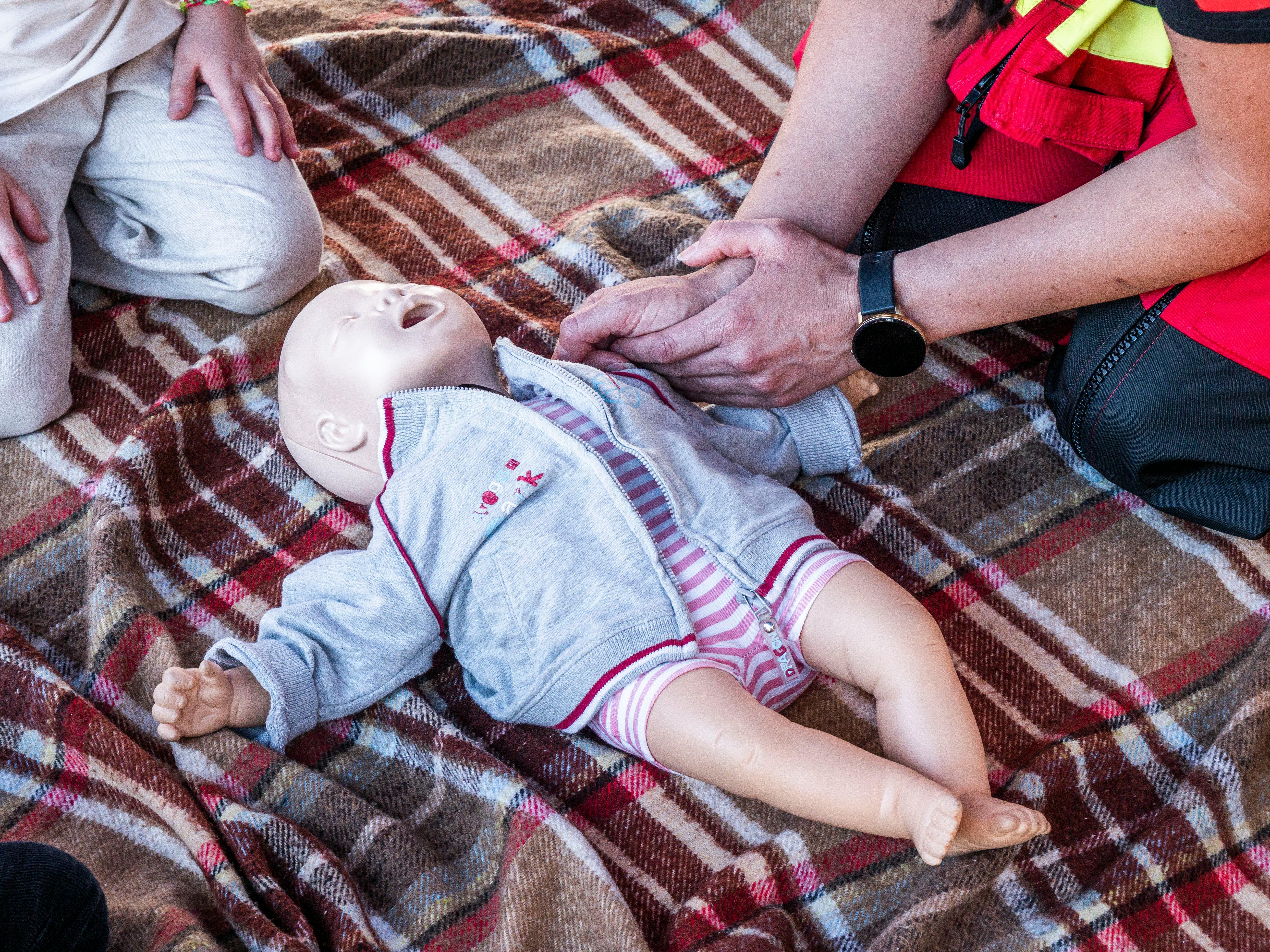
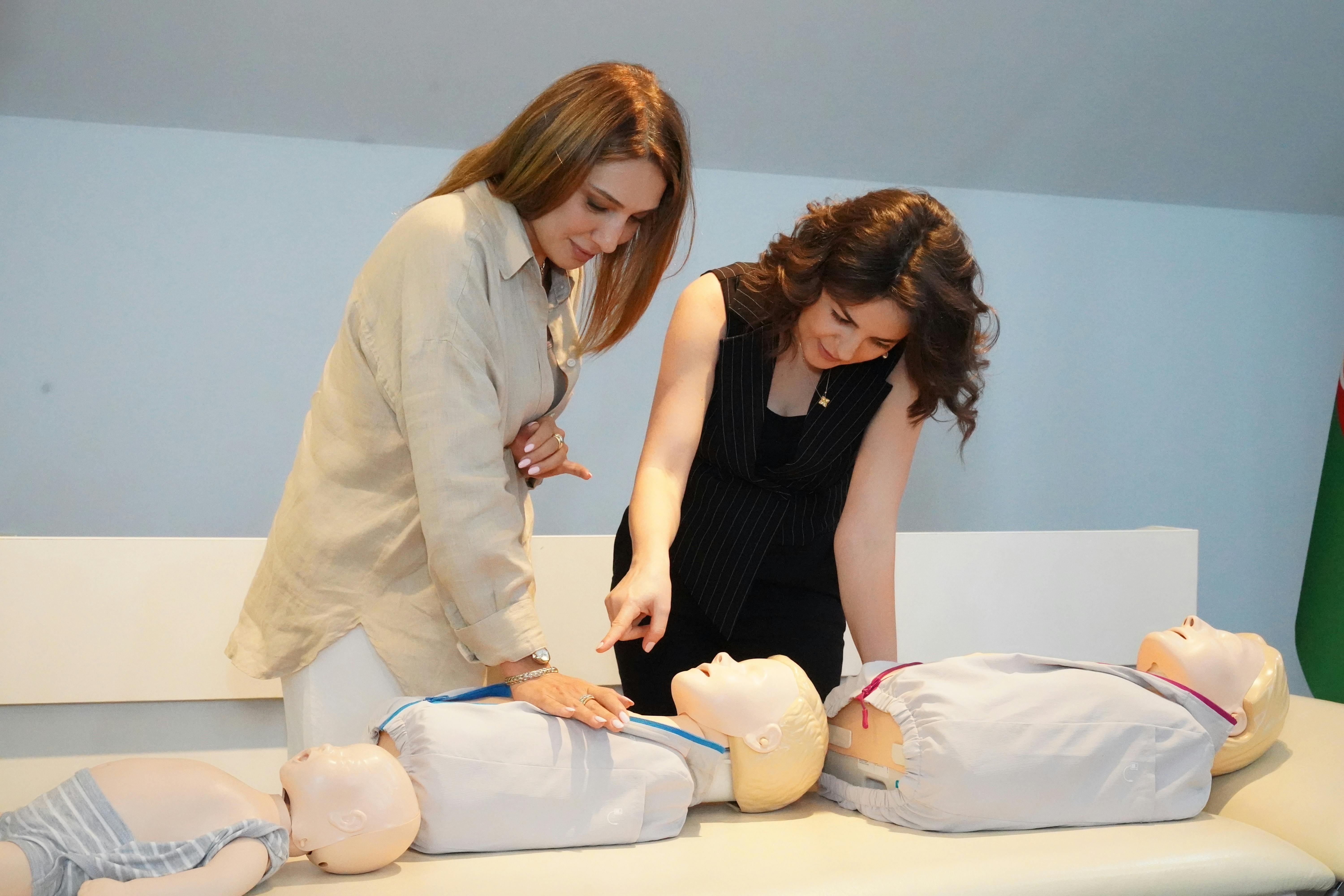
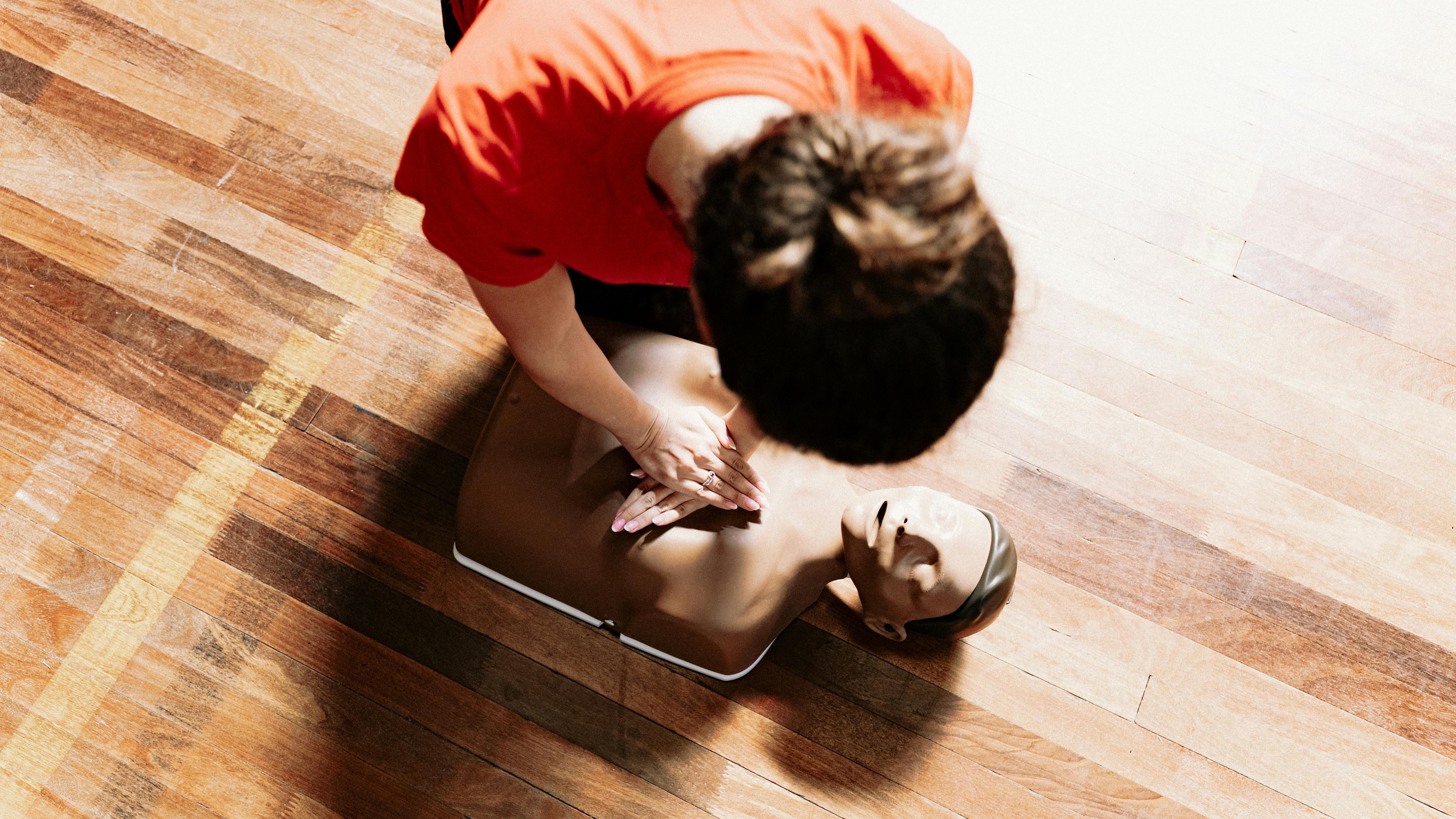
Hands-on first aid training is invaluable, especially during the winter months. Amazing Solutions First Aid Training in Nappanee offers specialized courses that cover winter emergencies, empowering you with the skills needed to handle cold-weather injuries effectively.
Our courses focus on practical skills, enabling you to react confidently in emergencies. Whether you’re a beginner or looking to refresh your skills, our training sessions are tailored to meet your needs.
Conclusion: Stay Safe and Prepared
Winter in Nappanee, Indiana, comes with its unique set of challenges, but with the right knowledge and preparation, you can enjoy the season safely. By understanding the specific risks and equipping yourself with winter-ready first aid skills and supplies, you ensure a safer environment for yourself and those around you.
For more information on first aid training services in Nappanee, or to book your winter safety course, contact Amazing Solutions First Aid Training today.